
Bank chairs who scale back climate commitments this year could face shareholder opposition, as responsible investment advocates push institutional investors to hold executives accountable for weakening environmental pledges.
A campaign group focused on sustainable finance is preparing detailed assessments of 34 of the world’s largest banks, reviewing whether they are maintaining previously announced climate targets. The analysis will examine changes to environmental policies disclosed in annual reports, with particular attention on major UK lenders including NatWest, Lloyds, HSBC and Barclays.
Institutional shareholders, such as pension funds and asset managers, are being urged to vote against the re-election of board chairs seen as overseeing any retreat from net zero goals. While such votes are unlikely to remove executives, campaigners say even a modest reduction in support would send a strong signal and increase personal accountability at board level.
The initiative comes amid shifting political and economic pressures that have complicated banks’ climate strategies. Several major financial institutions have withdrawn from the UN-backed Net Zero Banking Alliance, which required members to align their activities with net zero emissions targets by 2050. The alliance dissolved last year after a wave of high-profile exits.
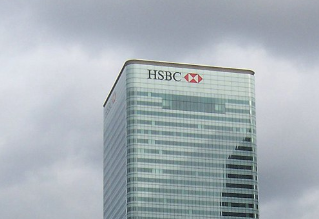
Some banks have also adjusted their climate timelines. HSBC, for example, delayed key elements of its emissions targets and revised environmental performance measures tied to executive compensation.
Campaigners argue that retreating from climate commitments could undermine long-term financial stability and investor confidence, and they are seeking to ensure that environmental goals remain central to corporate strategy.
